Tirich Mir Expedition Overview
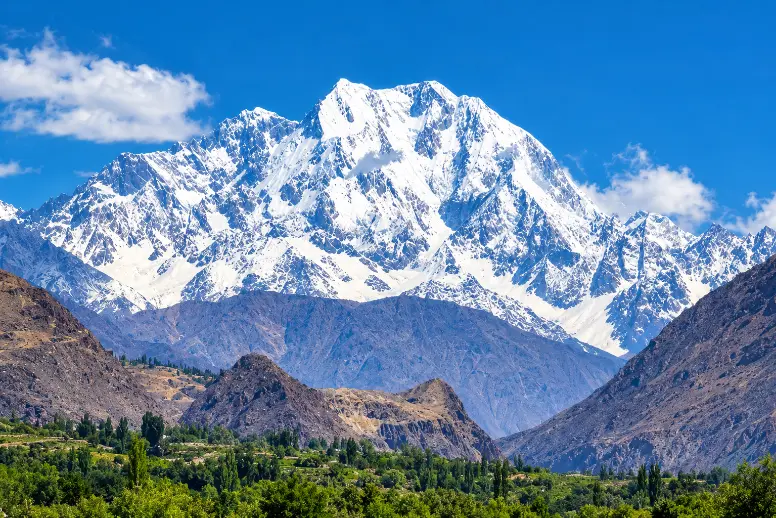
The Tirich Mir Expedition is a challenging high-altitude mountaineering adventure to Tirich Mir, 7,708 meters (25,288 feet), the highest mountain in the Hindu Kush and one of the major high-altitude peaks of Pakistan. Located in Chitral District, Khyber Pakhtunkhwa, Tirich Mir offers experienced mountaineers an exceptional opportunity to climb a remote and spectacular Himalayan-Hindu Kush objective.
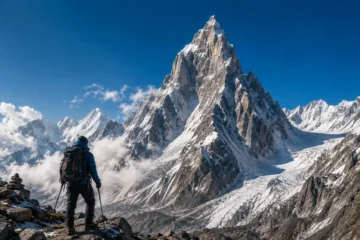
The mountain rises dramatically above the Tirich Valley, with extensive glaciers, snow-covered slopes, rugged ridges, and steep alpine terrain creating a demanding environment for high-altitude expeditions. A Tirich Mir expedition requires strong physical fitness, previous mountaineering experience, and the ability to safely operate on snow, ice, glaciers, and exposed high-altitude terrain.
The Tirich Mir Expedition involves a gradual approach from Chitral toward the remote Tirich Valley, acclimatization at progressively higher elevations, establishment of higher camps, and a carefully planned summit attempt. Climbers must be prepared for rapidly changing mountain weather, freezing temperatures, altitude-related challenges, glacier travel, and demanding summit-day conditions.
The expedition is particularly suitable for experienced mountaineers who have previously climbed 6,000m or 7,000m peaks and are looking for a serious high-altitude climbing objective in Pakistan. Experience with crampons, ice axes, fixed ropes, glacier travel, rope techniques, and high-altitude camping is strongly recommended.
K2 Adventure provides expedition logistics, experienced local mountain support, transportation arrangements, camping services, acclimatization planning, porter support, and assistance throughout the expedition, according to the agreed itinerary and prevailing access and mountain conditions.
Tirich Mir Expedition Highlights
Attempt the summit of Tirich Mir at 7,708 meters.
Climb the highest peak in the Hindu Kush.
Experience a remote and demanding high-altitude expedition in northern Pakistan.
Explore spectacular glaciers, snow-covered mountains, alpine valleys, and rugged mountain landscapes.
Travel through the scenic and remote Tirich Valley in Chitral.
Follow a carefully planned acclimatization and climbing schedule.
Establish and utilize high camps during the summit program.
Experience challenging snow, ice, glacier, and high-altitude terrain.
Enjoy spectacular panoramic views across the Hindu Kush Range.
Receive professional expedition logistics and experienced local mountain support.
Benefit from experienced guides, porters, Base Camp services, and expedition coordination.
Take on a serious 7,000m+ peak expedition in Pakistan.
Route-Specific Logistics
The Tirich Mir Expedition follows the traditional approach toward the Tirich Valley and the mountain’s remote climbing area. Exact camp locations, route conditions, access arrangements, and climbing logistics may vary depending on current weather, glacier conditions, permits, local access, and expedition planning.
Islamabad → Chitral → Terich Valley → Shagrom → Shemlak → Tirich Mir Base Camp → Advanced Camps → High Camps → Tirich Mir Summit → Base Camp → Shagrom → Chitral → Islamabad
The expedition begins with arrival and preparation in Islamabad, followed by travel toward Chitral. From Chitral, the team continues toward the remote Tirich Valley and approaches the mountain through Shagrom and the upper valley.
After reaching the Tirich Mir Base Camp area, the expedition team conducts acclimatization rotations and prepares climbers for progressively higher elevations. Higher camps are established or utilized according to the selected route, snow conditions, and expedition strategy.
The summit attempt requires careful assessment of weather, snow and ice conditions, route safety, acclimatization, altitude, and team fitness. After the summit attempt, the expedition descends through the mountain route before returning through the Tirich Valley toward Chitral.
Because Tirich Mir is a remote high-altitude mountain, the final climbing route, camp locations, permits, access arrangements, and logistics should always be confirmed according to current conditions and the expedition operator’s latest planning.
Best Time for Tirich Mir Expedition
The primary climbing season for the Tirich Mir Expedition is generally during the summer months, when access to the upper valleys and high-altitude climbing areas is more practical. The exact climbing window should be determined according to weather, snow conditions, glacier conditions, road access, permits, and current mountain conditions.
June through August is commonly considered the main expedition period, but climbers should not rely solely on a fixed calendar. The expedition operator should confirm the appropriate climbing window before departure based on the latest weather forecasts, route conditions, access situation, and expedition requirements.
What’s Included/Excluded
| INCLUDED |
|
||||||||||||||||||
| NOT INCLUDED |
|
Additional information
| location | Chitral District, Khyber Pakhtunkhwa, Pakistan |
|---|---|
| duration | 40 Days / 39 Nights |
| tour type | Mountaineering Expedition |
| destination | Tirich Mir |
| group size | 10 people |
Tirich Mir Expedition Itinerary
Day 01: Arrival in Islamabad, Pakistan
• Altitude: 540 meters
• Travel Time: N/A
• Weather: Warm
Arrive at Islamabad International Airport, where our representative will receive you and transfer you to your hotel. Meet the expedition team for an introductory briefing, document and permit review, equipment inspection, and final preparations for the Tirich Mir Expedition.
Accommodation: Hotel in Islamabad
Meals: Breakfast, Lunch, Dinner
Day 02: Expedition Preparation in Islamabad
• Altitude: 540 meters
• Activity Time: 3–4 Hours
• Weather: Warm
Spend the day completing final expedition preparations in Islamabad. The team reviews climbing equipment, personal gear, food supplies, permits, transportation arrangements, and the planned approach route. A detailed briefing is provided regarding the remote Hindu Kush expedition and current access conditions.
Accommodation: Hotel in Islamabad
Meals: Breakfast, Lunch, Dinner
Day 03: Islamabad to Chitral
• Altitude: Approx. 1,500 meters
• Travel Time: Full Day
• Weather: Variable mountain conditions
Travel from Islamabad toward Chitral by road or scheduled domestic flight, depending on the confirmed expedition arrangements and weather conditions. Upon arrival, settle into the hotel and prepare for the journey into the Terich Valley.
Accommodation: Hotel in Chitral
Meals: Breakfast, Lunch, Dinner
Day 04: Chitral to Terich Valley and Shagrom
• Altitude: Approx. 2,700–2,800 meters
• Travel Time: 6–7 Hours
• Weather: Mild to cool
Drive from Chitral deeper into the Terich Valley toward Shagrom, the roadhead for the trekking section of the expedition. Meet local porters and organize expedition loads, climbing equipment, food, and other supplies for the mountain approach.
Accommodation: Camping
Meals: Breakfast, Lunch, Dinner
Day 05: Shagrom to Shemlak
• Altitude: Approx. 3,300–3,600 meters
• Trekking Time: 5–6 Hours
• Weather: Cool mountain conditions
Begin the approach trek from Shagrom toward Shemlak. The trail passes through rugged mountain terrain and gradually gains elevation as the expedition moves deeper into the remote Hindu Kush landscape.
Accommodation: Camping
Meals: Breakfast, Lunch, Dinner
Day 06: Shemlak to Tirich Mir Base Camp
• Altitude: Approx. 4,700 meters
• Trekking Time: 5–7 Hours
• Weather: Cold alpine conditions
Continue toward Tirich Mir Base Camp, commonly associated with the Babu Camp area. The landscape becomes increasingly alpine as the team approaches the glacier and snow-covered environment surrounding Tirich Mir.
Accommodation: Expedition Camp
Meals: Breakfast, Lunch, Dinner
Day 07: Rest and Acclimatization at Base Camp
• Altitude: Approx. 4,700 meters
• Activity Time: Rest & Acclimatization
• Weather: Cold alpine conditions
Spend the day at Base Camp to recover from the approach trek and begin acclimatization. Organize expedition tents, climbing equipment, food, fuel, ropes, and technical gear. The expedition leader provides a detailed briefing about the climbing route, acclimatization schedule, and summit strategy.
Accommodation: Base Camp
Meals: Breakfast, Lunch, Dinner
Day 08: Acclimatization and Route Reconnaissance
• Altitude: Approx. 4,700–5,000 meters
• Activity Time: 3–5 Hours
• Weather: Cold alpine conditions
Take a gradual acclimatization hike around Base Camp and assess the current glacier and climbing route conditions. The climbing team reviews technical equipment, mountain safety procedures, rope systems, crampon techniques, and the requirements for the higher camps.
Accommodation: Base Camp
Meals: Breakfast, Lunch, Dinner
Day 09: Establish Advanced Camp
• Altitude: Approx. 4,500–5,200 meters
• Climbing Time: 5–7 Hours
• Weather: Cold
Begin carrying selected food, fuel, climbing equipment, and expedition supplies toward the higher section of the route. Establish or prepare an advanced camp according to the selected climbing route and current mountain conditions.
Accommodation: High-Altitude Camp
Meals: Breakfast, Lunch, Dinner
Day 10: Establish Camp I
• Altitude: Approx. 5,200 meters
• Climbing Time: 5–7 Hours
• Weather: Very cold
Move higher through glacier and snow terrain and establish Camp I where conditions permit. Carry essential equipment and supplies required for the upcoming acclimatization rotation.
Accommodation: Camp I
Meals: Breakfast, Lunch, Dinner
Day 11: Acclimatization at Camp I
• Altitude: Approx. 5,200 meters
• Activity Time: 3–5 Hours
• Weather: Very cold
Spend time at Camp I to allow the body to adapt to the higher altitude. Practice rope systems, assess the route, inspect climbing equipment, and prepare for the next stage of the expedition.
Accommodation: Camp I
Meals: Breakfast, Lunch, Dinner
Day 12: Descend to Base Camp
• Altitude: Approx. 4,700 meters
• Climbing Time: 4–6 Hours
• Weather: Cold alpine conditions
Descend from Camp I toward Base Camp following the first acclimatization rotation. Rest and recover while the expedition team reviews route conditions and prepares for the next climbing phase.
Accommodation: Base Camp
Meals: Breakfast, Lunch, Dinner
Day 13: Rest and Recovery at Base Camp
• Altitude: Approx. 4,700 meters
• Activity Time: Rest Day
• Weather: Cold
Take a full recovery day at Base Camp. Hydrate, rest, and allow the body to adapt further to the altitude. The climbing team also reviews weather forecasts and mountain conditions.
Accommodation: Base Camp
Meals: Breakfast, Lunch, Dinner
Day 14: Load Ferry to Higher Camp
• Maximum Altitude: Approx. 5,200 meters
• Climbing Time: 5–7 Hours
• Weather: Very cold
Carry additional food, fuel, ropes, technical equipment, and climbing supplies toward the higher camps. Prepare the route and organize equipment required for the next climbing rotation before returning toward Base Camp.
Accommodation: Base Camp
Meals: Breakfast, Lunch, Dinner
Day 15: Return to Base Camp
• Altitude: Approx. 4,700 meters
• Climbing Time: 4–6 Hours
• Weather: Cold alpine conditions
Return to Base Camp after completing the load-ferry operation. Rest and recover while the expedition team prepares for the next acclimatization rotation.
Accommodation: Base Camp
Meals: Breakfast, Lunch, Dinner
Day 16: Rest and Weather Observation
• Altitude: Approx. 4,700 meters
• Activity Time: Rest & Preparation
• Weather: Variable
Spend the day resting at Base Camp while the expedition leader monitors weather forecasts, snow and ice conditions, route safety, and the team’s acclimatization. Prepare equipment for the final climbing rotations.
Accommodation: Base Camp
Meals: Breakfast, Lunch, Dinner
Day 17: Begin Final Climbing Rotation
• Altitude: Approx. 5,200 meters
• Climbing Time: 5–7 Hours
• Weather: Very cold
Begin the final climbing rotation toward the higher camps. Carry essential technical equipment, food, fuel, and supplies required for the summit phase.
Accommodation: Camp I
Meals: Breakfast, Lunch, Dinner
Day 18: Camp I to Camp II
• Altitude: Approx. 5,800–6,000 meters
• Climbing Time: 5–7 Hours
• Weather: Extremely cold
Continue upward through high-altitude snow, ice, and glacier terrain toward Camp II. The team follows the established route and uses appropriate climbing equipment and fixed ropes where required.
Accommodation: Camp II
Meals: Breakfast, Lunch, Dinner
Day 19: Acclimatization at Camp II
• Altitude: Approx. 5,800–6,000 meters
• Activity Time: 2–4 Hours
• Weather: Extremely cold
Spend time at Camp II to improve acclimatization and prepare for the higher climbing section. Guides assess the team’s physical condition and review the route and technical equipment.
Accommodation: Camp II
Meals: Breakfast, Lunch, Dinner
Day 20: Move Toward High Camp
• Altitude: 6,300+ meters
• Climbing Time: 5–7 Hours
• Weather: Extremely cold
Climb higher according to the selected route and current mountain conditions. Establish or prepare the highest planned camp below the summit while carrying essential climbing equipment and supplies.
Accommodation: High Camp
Meals: Breakfast, Lunch, Dinner
Day 21: Acclimatization at High Camp
• Altitude: 6,300+ meters
• Activity Time: Rest & Acclimatization
• Weather: Extremely cold
Spend time at High Camp to allow further acclimatization before the summit attempt. Inspect technical equipment, prepare clothing and climbing systems, and review the summit strategy with the expedition leader.
Accommodation: High Camp
Meals: Breakfast, Lunch, Dinner
Day 22: Descend to Base Camp
• Altitude: Approx. 4,700 meters
• Climbing Time: 6–8 Hours
• Weather: Cold alpine conditions
Descend from High Camp through the higher camps toward Base Camp. This descent allows the team to recover at a lower elevation before the final summit rotation.
Accommodation: Base Camp
Meals: Breakfast, Lunch, Dinner
Day 23: Rest Day at Base Camp
• Altitude: Approx. 4,700 meters
• Activity Time: Rest Day
• Weather: Cold
Recover at Base Camp following the major acclimatization rotation. Hydrate, rest, inspect equipment, and prepare for the final summit window.
Accommodation: Base Camp
Meals: Breakfast, Lunch, Dinner
Day 24: Weather and Summit Window Assessment
• Altitude: Approx. 4,700 meters
• Activity Time: Rest & Preparation
• Weather: Variable
Monitor weather forecasts, wind speeds, snow and ice conditions, and route safety. The expedition leader determines the most suitable time to begin the final summit push based on mountain conditions and team readiness.
Accommodation: Base Camp
Meals: Breakfast, Lunch, Dinner
Day 25: Begin Final Summit Push
• Altitude: Approx. 5,200 meters
• Climbing Time: 5–7 Hours
• Weather: Very cold
Begin the final ascent toward the higher camps. Carry essential technical equipment, food, fuel, and supplies required for the summit attempt. The team follows the established route while adapting to current snow, ice, and weather conditions.
Accommodation: Camp I
Meals: Breakfast, Lunch, Dinner
Day 26: Camp I to Camp II
• Altitude: Approx. 5,800–6,000 meters
• Climbing Time: 5–7 Hours
• Weather: Extremely cold
Continue from Camp I toward Camp II through high-altitude glacier, snow, and mixed terrain. Prepare for the final move toward High Camp and the summit.
Accommodation: Camp II
Meals: Breakfast, Lunch, Dinner
Day 27: Camp II to High Camp
• Altitude: 6,300+ meters
• Climbing Time: 5–8 Hours
• Weather: Extremely cold
Move from Camp II toward the highest planned camp below the summit. The exact location of High Camp depends on snow conditions, route safety, weather, and the expedition leader’s assessment.
Accommodation: High Camp
Meals: Breakfast, Lunch, Dinner
Day 28: Summit Tirich Mir (7,708m) and Descend
• Maximum Altitude: 7,708 meters
• Climbing Time: 10–14+ Hours
• Weather: Extreme cold and possible high winds
Begin the main summit push during the safest available weather window. Climb toward the summit of Tirich Mir through high-altitude snow, ice, glacier, and mixed mountain terrain. The summit day requires strong acclimatization, excellent physical fitness, previous high-altitude experience, appropriate technical equipment, and careful route management. After reaching the summit, begin a controlled descent toward the highest safe camp.
Accommodation: High Camp / Camp
Meals: Breakfast, Lunch, Dinner
Note: Summit timing and route conditions may vary according to weather, snow and ice conditions, acclimatization, route safety, team fitness, and the expedition leader’s assessment.
Day 29: Reserve Summit Day
• Maximum Altitude: Up to 7,708 meters
• Climbing Time: Variable
• Weather: Variable
This reserve day provides an additional opportunity for the summit attempt if weather, route conditions, team readiness, or other circumstances prevent the team from reaching the summit on Day 28. If the summit has already been completed, the day may be used for recovery or descent preparation.
Accommodation: High Camp / Camp
Meals: Breakfast, Lunch, Dinner
Day 30: Descend to Base Camp
• Altitude: Approx. 4,700 meters
• Climbing Time: 6–9 Hours
• Weather: Cold alpine conditions
Descend through the higher camps toward Tirich Mir Base Camp after completing the summit phase. Organize climbing equipment and allow the team to recover following the demanding high-altitude summit attempt.
Accommodation: Base Camp
Meals: Breakfast, Lunch, Dinner
Day 31: Rest and Recovery at Base Camp
• Altitude: Approx. 4,700 meters
• Activity Time: Rest Day
• Weather: Cold
Take a full recovery day at Base Camp. Hydrate, rest, organize expedition equipment, and prepare for the return trek toward the Terich Valley.
Accommodation: Base Camp
Meals: Breakfast, Lunch, Dinner
Day 32: Tirich Mir Base Camp to Shemlak
• Altitude: Approx. 3,300–3,600 meters
• Trekking Time: 5–7 Hours
• Weather: Cool mountain conditions
Begin descending from Tirich Mir Base Camp toward Shemlak. Trek through rugged mountain and glacier terrain while gradually losing elevation after the high-altitude climbing phase.
Accommodation: Camping
Meals: Breakfast, Lunch, Dinner
Day 33: Shemlak to Shagrom
• Altitude: Approx. 2,700–2,800 meters
• Trekking Time: 5–6 Hours
• Weather: Mild to cool
Continue the descent from Shemlak toward Shagrom. Reach the roadhead and organize expedition equipment and cargo for the return journey to Chitral.
Accommodation: Camping
Meals: Breakfast, Lunch, Dinner
Day 34: Shagrom to Chitral
• Altitude: Approx. 1,500 meters
• Travel Time: 6–7 Hours
• Weather: Mild
Drive from Shagrom through the Terich Valley toward Chitral. Upon arrival, check into the hotel and enjoy a well-earned rest following the demanding mountain expedition.
Accommodation: Hotel in Chitral
Meals: Breakfast, Lunch, Dinner
Day 35: Rest and Cultural Exploration in Chitral
• Altitude: Approx. 1,500 meters
• Activity Time: Flexible
• Weather: Mild
Spend the day resting in Chitral after the expedition. Depending on time and local conditions, participants may explore the cultural surroundings or use the day as a contingency for transportation delays.
Accommodation: Hotel in Chitral
Meals: Breakfast, Lunch, Dinner
Day 36: Chitral to Islamabad
• Altitude: 540 meters
• Travel Time: Full Day
• Weather: Variable
Travel from Chitral back to Islamabad by road or scheduled flight, depending on the confirmed arrangements and operational conditions. Upon arrival, transfer to the hotel and rest.
Accommodation: Hotel in Islamabad
Meals: Breakfast, Lunch, Dinner
Day 37: Expedition Debriefing in Islamabad
• Altitude: 540 meters
• Activity Time: 2–3 Hours
• Weather: Warm
Complete the final expedition debriefing with the team. Review the climbing experience, return rented equipment where applicable, organize personal belongings, and complete any remaining administrative arrangements.
Accommodation: Hotel in Islamabad
Meals: Breakfast, Lunch, Dinner
Day 38: Contingency Day in Islamabad
• Altitude: 540 meters
• Activity Time: Flexible
• Weather: Variable
Keep this day available as a contingency for unexpected transportation delays, weather disruptions, route changes, or additional time required during the expedition. If no contingency is required, participants may enjoy free time in Islamabad.
Accommodation: Hotel in Islamabad
Meals: Breakfast, Lunch, Dinner
Day 39: Free Day in Islamabad
• Altitude: 540 meters
• Activity Time: Flexible
• Weather: Warm
Enjoy a free day in Islamabad before international departure. Participants may rest, explore the city, complete personal arrangements, or prepare luggage and documents for the journey home.
Accommodation: Hotel in Islamabad
Meals: Breakfast, Lunch, Dinner
Day 40: Departure from Pakistan
• Altitude: 540 meters
• Travel Time: Airport Transfer
• Weather: Warm
After breakfast, our representative will transfer you to Islamabad International Airport for your onward flight. Your Tirich Mir Expedition concludes after an unforgettable high-altitude mountaineering journey through the remote Hindu Kush.
Meals: Breakfast
FAQs About Tirich Mir Expedition
The Tirich Mir Expedition is a very challenging high-altitude mountaineering adventure to the summit of Tirich Mir at 7,708 meters in the Hindu Kush. Climbers should have previous experience on high-altitude peaks and be comfortable with glacier travel, crampon use, ice-axe techniques, rope systems, steep snow and ice, high-altitude camping, and expedition-style climbing. Strong physical fitness and previous technical mountaineering experience are strongly recommended.
Tirich Mir is a 7,708-meter mountain in the Hindu Kush mountain range of northern Pakistan. It is located in Chitral District, Khyber Pakhtunkhwa, and dominates the surrounding mountain landscape. The commonly used approach passes through the Terich Valley, with Shagrom serving as an important roadhead before the trekking and climbing section toward Base Camp.
The main climbing season for Tirich Mir is generally from June through August, with the summer months providing the primary expedition window. However, actual climbing conditions can vary from year to year. Weather, snow and ice conditions, route safety, acclimatization, access, permits, and local regulations should be assessed before the expedition. The final summit attempt should always depend on the expedition leader’s assessment and current mountain conditions.
Tirich Mir reaches an elevation of 7,708 meters (25,288 feet) above sea level. It is the highest mountain in the Hindu Kush mountain range and is considered one of Pakistan’s major 7,000-meter mountaineering objectives.
The planned Tirich Mir Expedition itinerary is approximately 40 days, including arrival and preparation in Islamabad, travel to Chitral, the approach through the Terich Valley, Base Camp establishment, acclimatization rotations, higher camps, summit attempts, reserve days, descent, return to Chitral, travel back to Islamabad, and departure from Pakistan. The actual duration may change depending on weather, route conditions, acclimatization, transportation, permits, and expedition logistics.
The expedition generally starts in Islamabad, where climbers complete final preparations, equipment checks, documentation, and expedition briefings. From Islamabad, the team travels to Chitral and then continues through the Terich Valley toward Shagrom. From Shagrom, the expedition continues on foot toward the Tirich Mir Base Camp.
Participants should have previous high-altitude mountaineering experience, preferably on peaks in the 6,000m–7,000m range or above. Climbers should be confident using crampons, ice axes, harnesses, ascenders, ropes, and other technical equipment. Experience with glacier travel, steep snow and ice, mixed terrain, high-altitude camping, acclimatization rotations, and expedition-style climbing is strongly recommended. Tirich Mir is not suitable for beginners.
Climbers need appropriate high-altitude mountaineering equipment, including crampons, ice axe, climbing harness, helmet, ascender, carabiners, technical ropes and other equipment required by the selected route. Essential personal gear also includes high-altitude clothing, expedition boots, gloves, goggles, sleeping equipment, headlamp, backpack, personal medical supplies, and other cold-weather equipment. The final equipment checklist should be confirmed with the expedition operator before departure.

Tour Reviews
There are no reviews yet.
Leave a Review