The
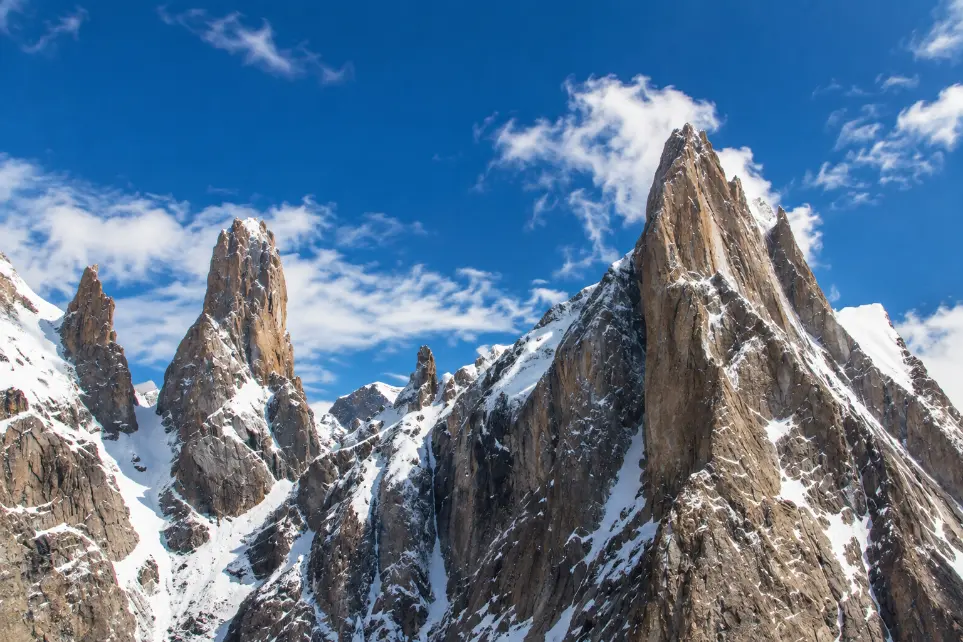
Trango Tower Expedition follows the traditional Baltoro approach toward the Trango group. The exact climbing route depends on the selected tower, route objective, current conditions, and the technical climbing strategy agreed upon by the expedition team.
Islamabad → Skardu → Askole → Jhola → Paiju → Khoburtse → Urdukas → Goro II → Concordia → Trango Glacier/Trango Towers → Base Camp → Higher Camps → Summit → Base Camp → Concordia → Baltoro Glacier → Askole → Skardu → Islamabad
The expedition begins in Islamabad with expedition preparation and briefing before the team travels to Skardu. From Skardu, the journey continues by road toward Askole, the traditional gateway for expeditions entering the Baltoro region.
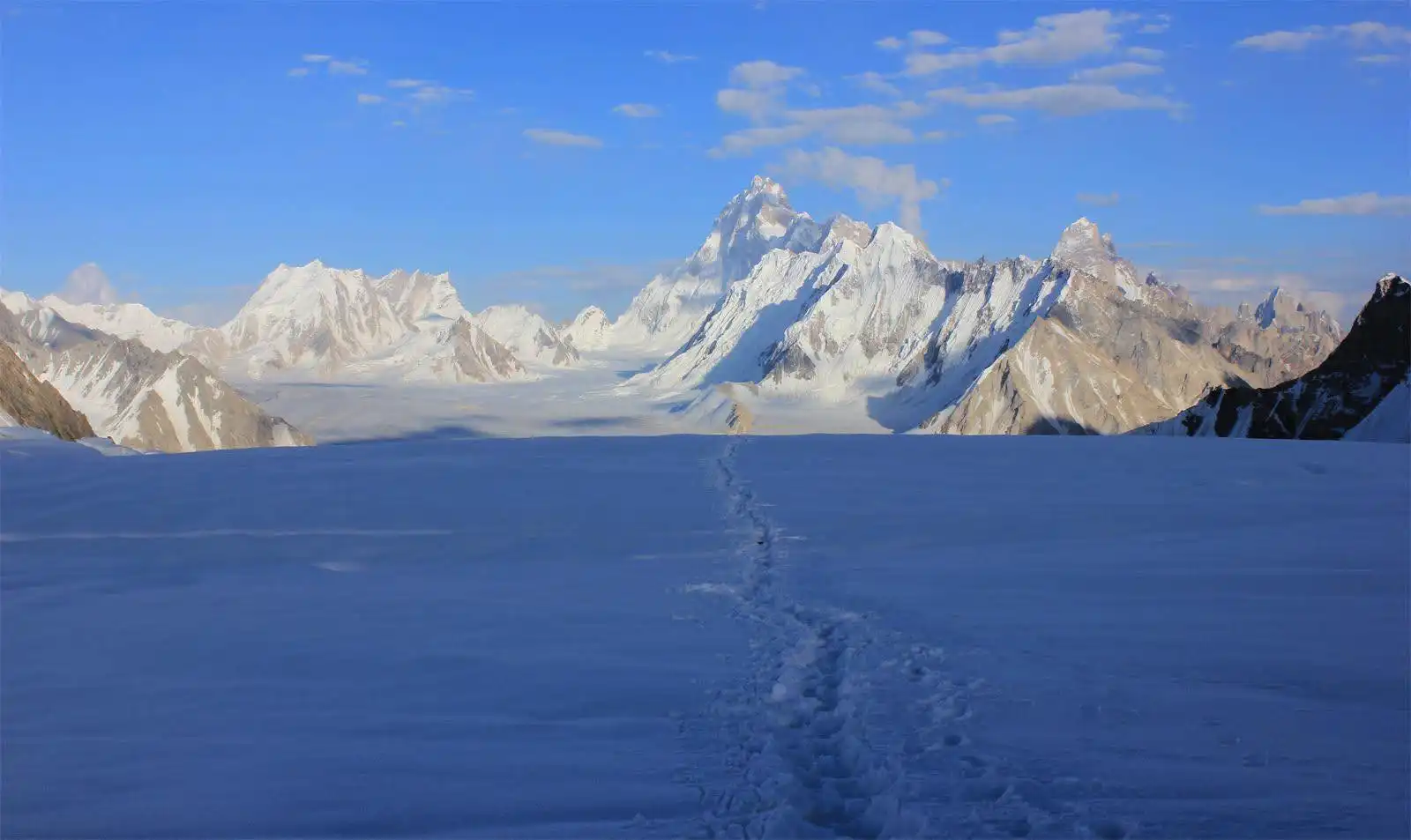
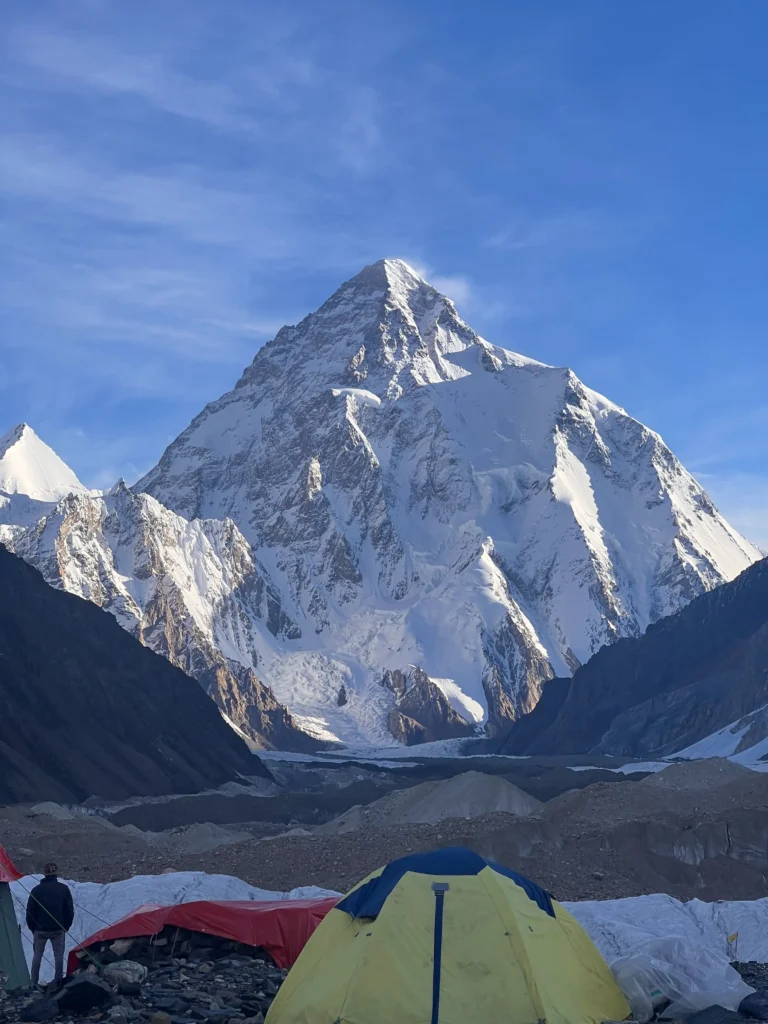
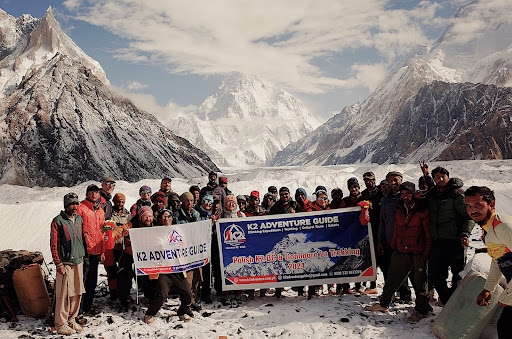
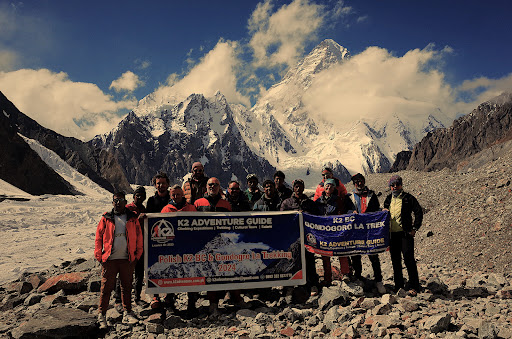
The trekking approach continues through Jhola, Paiju, Khoburtse, Urdukas, Goro and Concordia. From the Concordia region, the expedition proceeds toward the Trango group and the selected Base Camp area.
The climbing phase is considerably more technical than a standard trekking or high-altitude expedition. Depending on the selected objective, climbers may encounter steep granite walls, exposed rock, technical cracks, slabs, snow, ice, mixed climbing, rappelling sections, and fixed-rope terrain.
The team normally uses acclimatization, technical preparation, equipment checks, route assessment, and climbing rotations before making the final summit attempt. Exact camp positions and climbing lines should be determined on site because rockfall, snow, ice, weather, route conditions, and the selected tower can significantly affect the climbing strategy.
Because Trango Tower climbing is highly technical, climbers should have strong multi-pitch rock-climbing skills, rope-management experience, glacier travel experience, and previous alpine climbing experience. The expedition should not be considered suitable for beginners.